


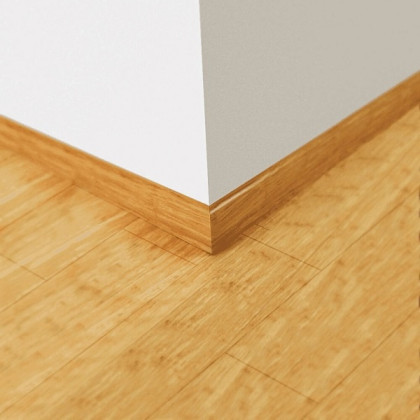


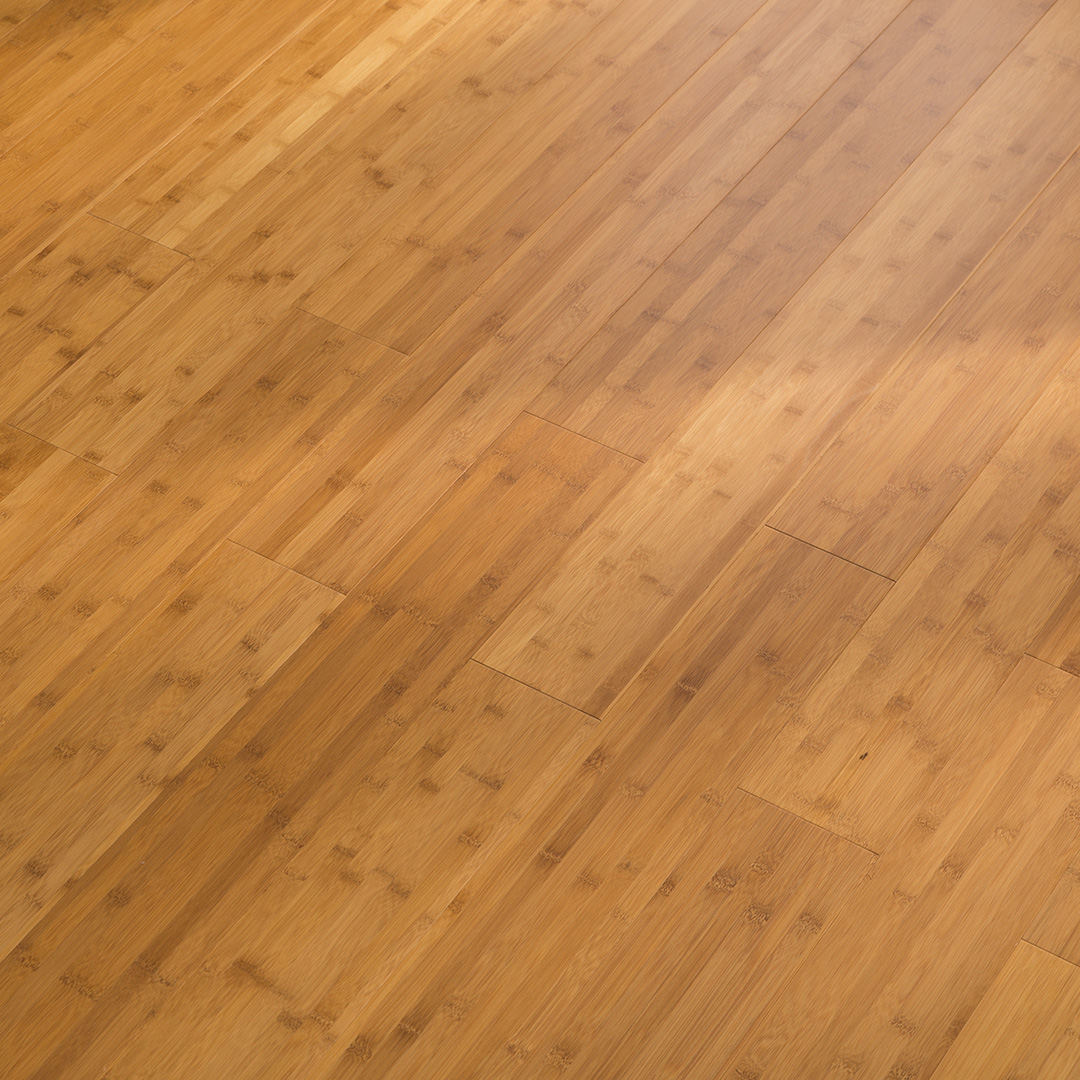
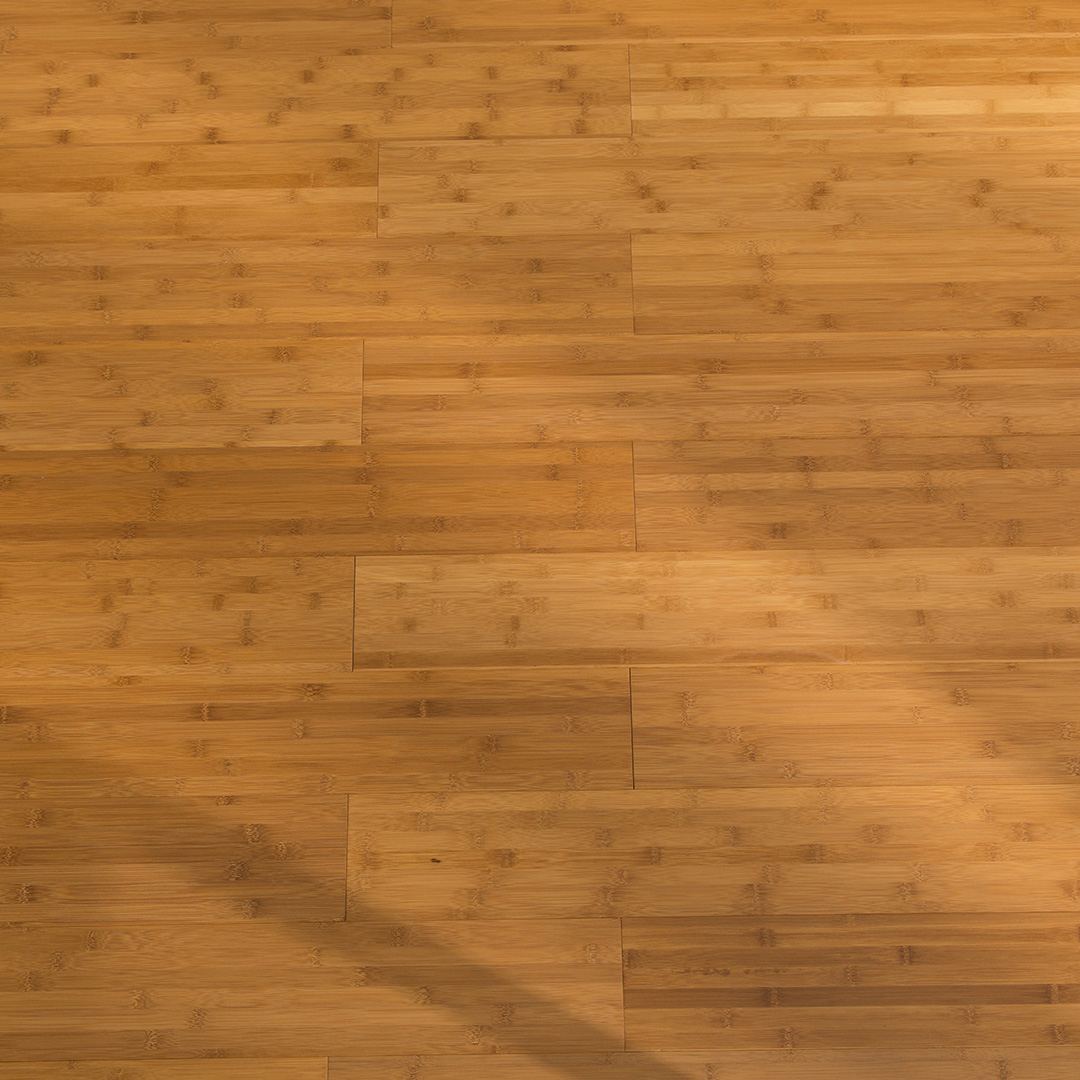

Horizontal carbonized solid bamboo flooring represents a distinctive category within the broader family of bamboo building materials, combining the durability of solid construction with the warm, matured appearance produced through carbonization. To understand what sets this flooring apart, it helps to begin with the nature of solid bamboo boards themselves. Solid bamboo flooring is produced by taking strips of bamboo cut from the stalk, drying them, laminating them together with high‑pressure bonding technology, and machining them into strong, uniform planks. Unlike composite or engineered flooring that uses thin layers or veneers, solid bamboo flooring relies on a dense, homogeneous structure that gives the boards a consistent feel from top to bottom. The material is known for its strength, dimensional stability, and distinctive natural character that comes from the organic fibers running along its length.
Among the various ways bamboo strips can be arranged during lamination, the horizontal grain structure offers one of the most recognizable appearances. In a horizontal configuration, the strips are laid flat so the broad surface of the bamboo skin faces upward. This orientation reveals the trademark bamboo nodes—also called growth rings—across the surface of every plank. The pattern features gentle variations in shade, linear traces of the original stalk, and a soft, relaxed flow that highlights the plant’s natural beauty. It contrasts with vertical grain, where strips are turned on their sides to produce a more subtle, lined texture. The horizontal grain appeals to homeowners and designers who prefer a more organic and expressive look, emphasizing the material’s botanical origins rather than hiding them.
Carbonization adds another layer of visual interest. Bamboo in its natural state tends to exhibit pale, creamy tones, but carbonized bamboo adopts a richer, deeper color. The carbonizing process is not a surface stain or topical finish; instead, the bamboo is exposed to controlled heat and steam before lamination. This treatment caramelizes the natural sugars inside the plant fibers, infusing the entire material with warm, coffee‑like shades that range from honey to chestnut brown. Because the color penetrates throughout the strips, it retains its tone even after wear or sanding. The result is a mellow, inviting finish that suits interiors seeking a sense of warmth and understated sophistication. Carbonization also lends each board a unique character, since slight tonal shifts reflect the organic nature of the source material.
Horizontal carbonized solid bamboo flooring is available in a number of sizes to suit different installation preferences and architectural contexts. Common specifications include standard widths around 96 to 130 millimeters, though wider planks are also produced for spaces that benefit from a more expansive appearance. Thickness typically ranges from 10 to 15 millimeters, providing stability for residential and light commercial use. Length options span from shorter boards that create a rhythmic, patterned floor to extended planks that provide a sweeping, seamless effect across a room. The variety of dimension choices allows designers and builders to select boards that harmonize with room proportions, lighting conditions, and stylistic intentions.
The manufacturing process behind this type of flooring is both meticulous and highly structured. Production begins with carefully selected bamboo culms that have reached optimal maturity—usually five to six years, when fiber density and hardness are at their peak. After cutting the culms into long strips and removing the outer green skin, the strips are boiled or steamed to eliminate sugars and insects. For carbonized flooring, the heat treatment continues until the desired caramel color permeates the fibers. The strips are then dried to bring moisture content to a stable level, ensuring that finished planks remain dimensionally consistent. Next, the strips are graded for color and quality before being laminated under high pressure with durable, low‑emission adhesives. Precision milling follows, producing tongue‑and‑groove or click‑system profiles that facilitate efficient installation. Finally, the boards receive sanding and protective finishing coats designed to resist abrasion, stains, and water infiltration. Every step contributes to a floorboard that balances beauty with structural resilience.
Caramel Strand Woven Bamboo Flooring
600W TOPCon Solar Panel
Horizontal carbonized solid bamboo flooring
Vertical natural solid bamboo flooring