
Why Horror Games Like FNAF Keep Us Coming Back for More
If you've ever felt your heart racing while staring at a security camera feed, waiting for something terrible to happen, you've probably experienced the magic of a well-designed horror game. Games in this genre have a unique power to create tension without relying on jump scares alone. They build atmosphere, force you to make impossible choices, and make you question every shadow on the screen. Let's explore what makes these games so addictive and how to approach them like a seasoned player.
Understanding the Horror Game Experience
Horror games occupy an interesting space in gaming. Unlike movies where you're a passive observer, games put you in control. This distinction matters because it means your decisions—or lack thereof—directly impact what happens next. The fear isn't just about what you see; it's about responsibility and consequence.
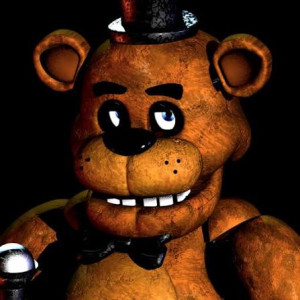
FNAF, commonly known as FNAF, perfected this formula by creating a situation where you're essentially trapped. You're a night security guard in an animatronic pizza restaurant, and your only job is to survive until morning. The brilliance lies in the simplicity: you can't run, you can't fight, and you can't hide. You can only watch and manage limited resources. This helplessness is precisely what makes the experience so gripping.
How the Gameplay Actually Works
The core appeal of horror games like FNAF comes down to mechanics that feel fair but terrifyingly uncertain. Here's what typically happens: You're given tools—cameras, motion sensors, lights, doors—but they come with costs. In FNAF, every action drains your limited power supply. Turn on a light to see the hallway? That's 1% power gone. Close a door to stop an intruder? That's 5%. Run out of power, and the facility goes dark. Then the animatronics make their move.
This creates a constant mental puzzle: Do I spend power to monitor cameras and see where threats are, or do I save power and risk being caught off-guard? There's no perfect answer, which is the whole point. The game forces you into uncomfortable compromises where every choice feels risky.
The beauty of this design is that it teaches you organically. Your first few nights might end in quick failures, but you'll start noticing patterns. Certain animatronics move on predictable schedules. Some cameras show more useful information than others. Eventually, you develop strategies—not because the game explains them, but because you've earned them through experience and failure.
Horror games work best when they respect player intelligence. They shouldn't hold your hand or make success feel inevitable. Instead, they should present a challenge that feels surmountable with skill and observation.
Practical Tips for Playing Horror Games Successfully
Start with the right mindset. Horror games demand patience and attention. Turn off distractions, minimize notifications, and commit to the experience. The immersion is half the battle.
Embrace failure early. Your first playthrough isn't about winning—it's about learning. Pay attention to what kills you and why. Every death is feedback that trains you for the next attempt.
Notice the details. Developers of games like FNAF hide crucial information in plain sight. Audio cues, visual patterns, subtle movements—these aren't accidents. Use your senses actively. If a game allows you to record dialogue or review footage, do it between attempts.
Manage resources like your life depends on it. In survival horror, every consumable—power, ammunition, health items—should be treated as precious. When you're tempted to "just check" something, pause and ask if it's necessary.
Stay calm under pressure. This might sound obvious, but panic closes the part of your brain needed for problem-solving. When things get intense, take a breath. Some of the best horror game moments happen when you think clearly under stress.
Don't be afraid to take breaks. Horror games are mentally taxing. If you're getting frustrated or numb to the experience, step away. Come back fresh. Sometimes an hour away gives you the clarity needed to overcome what seemed impossible.
Why These Games Matter
Horror games serve a purpose beyond entertainment. They're a space where we can safely experience fear, challenge ourselves against odds that feel genuinely stacked against us, and emerge feeling accomplished. There's something primal about the relief you feel when you survive a night in a horror game—an adrenaline rush that few other experiences can replicate.
The formula that games perfected isn't just about jump scares or grotesque imagery. It's about control, consequence, and vulnerability. It's about being smart enough to survive and brave enough to keep trying when you don't.
Final Thoughts
Whether you're new to horror games or a veteran returning to classics, the key is approaching them with the right attitude. These games reward observation, patience, and strategic thinking. They're designed to make you feel tension, but also to give you the tools to overcome challenges—even if you have to learn those tools the hard way.
If you're curious about experiencing this kind of focused horror gameplay, diving into FNAF is an excellent starting point. It's a game that respects players' intelligence and delivers genuine thrills without requiring expensive equipment or complex controls.
So grab some coffee, dim the lights, and see if you have what it takes to survive the night. Your heart rate will thank you for the adrenaline rush.